
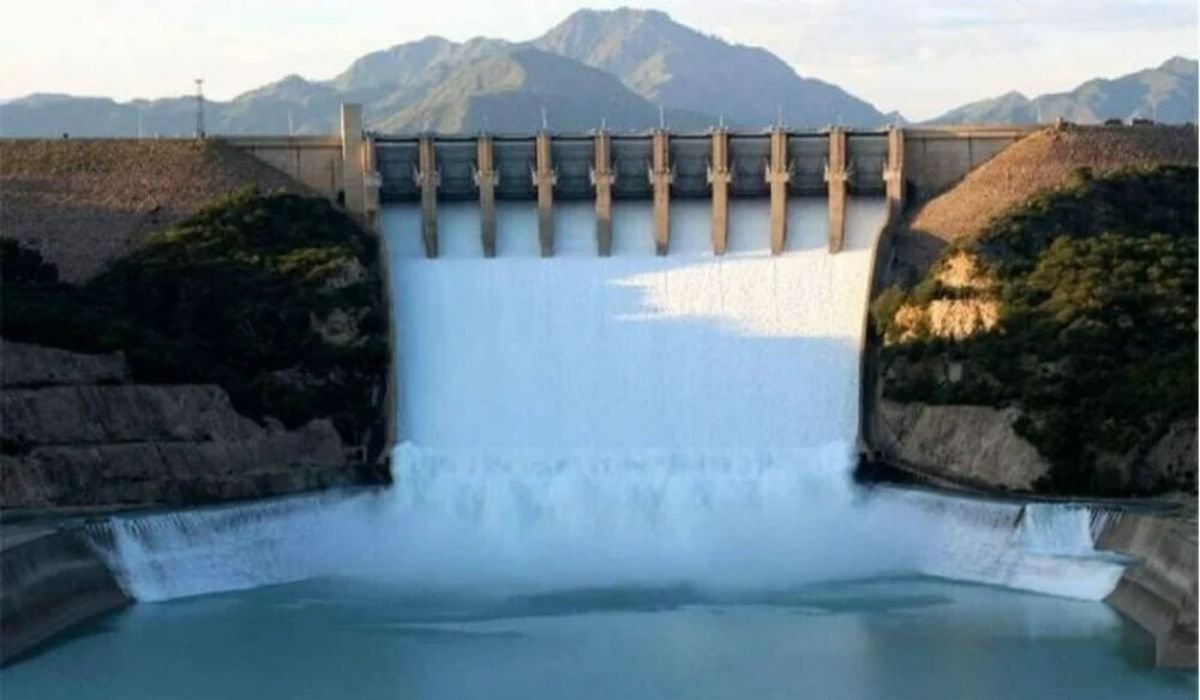
Experts Urge Urgent Action to Boost Storage Capacity
Pakistan has officially crossed the international benchmark for water scarcity, with per capita availability falling to just 733,000 liters annually, a new report from the Pakistan Council of Research in Water Resources (PCRWR) has revealed.
The global standard for minimum water availability stands at 1,000 cubic meters per person per year. The PCRWR warned that the country’s water storage capacity has dropped to under 10 percent of its annual river flow — far below the global average of 40 percent.
According to the findings, Pakistan receives 80 percent of its total annual water within only four months, leaving the remaining eight months prone to shortages. Sedimentation in reservoirs is also shortening their operational lifespan, putting further strain on water security.
Currency Converter
Read More: DISCO losses threaten gains in Power Sector
The report highlighted that four major crops — including wheat, rice, sugarcane, and cotton — consume around 75 percent of all agricultural water. Inefficient irrigation practices and the cultivation of water-intensive crops are worsening the problem.
Experts at the PCRWR stressed that increasing water storage capacity must be made a national priority. Without urgent reforms in water management and conservation, the report warned, the crisis will deepen, threatening both agriculture and human consumption needs.